Bee Mine Embroidery Design Review
As a designer who spends more time than I care to admit staring at stitch patterns and debating thread weights, I don’t just buy embroidery files; I vet them. The difference between a file that looks good on a screen and one that stitches out cleanly is often in the details. When I came across Bee Mine, described as a loving Valentine’s Day Quote design, my first thought wasn’t about the holiday itself, but about utility. Can this design hold up in a real-world production run? Is it versatile enough for a small business owner looking to stock their Etsy shop for Q1?
This review breaks down Bee Mine from the perspective of practical application. We are looking at how this digital asset translates into physical goods, where it shines, and where it might trip you up if you aren’t careful.
First Impressions and Visual Personality
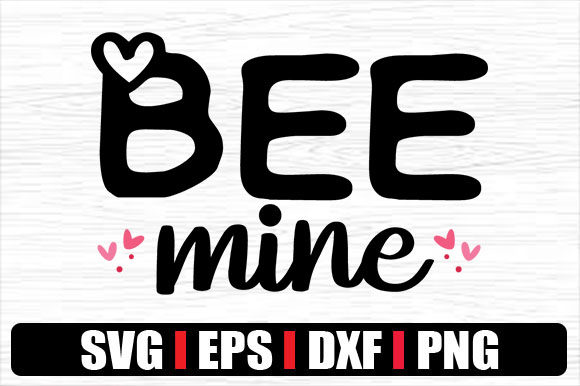
The moment you load Bee Mine into your digitizing software or previewer, the mood is set. It isn’t trying to be overly romantic with heavy script fonts or complex floral arrangements that can get lost in the stitching. Instead, it leans into a playful, approachable aesthetic. The phrase "Bee Mine" is inherently cute, and the execution reflects that without feeling childish. It strikes a balance that works well for a broad demographic, from teenagers buying gifts for crushes to adults purchasing cozy home decor.
Visually, the design feels balanced. In the world of machine embroidery design, balance is everything. If the text is too heavy on one side and the graphic on the other, the hoop tension can cause puckering. From what I can see in the vector layout, the weight is distributed evenly. This suggests that when stitched onto a custom apparel item like a hoodie or a tote bag, the fabric will lay flat. The visual personality is warm and inviting, which is crucial for personalized gift items. Customers want to feel a connection to what they are wearing or holding, and this design delivers that friendly vibe immediately.
Real-World Application: Where Bee Mine Fits Best
I like to imagine specific scenarios before committing to a purchase. For Bee Mine, my mind goes straight to spring and early summer collections. Here is how I see this design performing in actual production:
- Tote Bag Design: This is perhaps the strongest use case. A canvas tote embroidered with "Bee Mine" creates an instant accessory. Because the design is likely compact, it fits perfectly on the front panel without overwhelming the bag. It’s perfect for an Etsy seller looking for high-margin, low-complexity items.
- Sweatshirt Embroidery: Think of a cropped hoodie or a crewneck sweatshirt. The contrast of a light cream sweatshirt with gold or yellow threads for the bee elements would look incredibly professional. It taps into the "cozy season" trend while still acknowledging Valentine's Day.
- Baby Embroidery: Small bodysuits or muslin blankets are huge sellers. The simplicity of the quote means it won’t look cluttered on a tiny garment. Parents love subtle, sweet messages, and this fits that niche perfectly.
- Embroidered Patch: If you sell accessories, turning this into a sew-on or iron-on patch adds value. It allows customers to personalize their own denim jackets or backpacks, extending the life of the product.
The versatility here is key. You aren’t limited to just red and pink. While those are traditional Valentine colors, this design likely works beautifully in pastel yellows, soft pinks, and crisp whites. That flexibility increases its lifespan beyond just February 14th, allowing you to market it as a general "spring" or "love" theme piece.
Technical Performance and Stitch Clarity
When evaluating any embroidery file, I look at the stitch types. A good design uses a mix of satin stitch for outlines and lettering, and fill stitch for larger areas like wings or backgrounds. Bee Mine appears to utilize these standard techniques effectively.
The clarity of the text is paramount. If the letters are too thin or the spacing (kerning) is off, the machine might skip stitches, leading to a fuzzy result. Assuming standard digitizing practices were followed, the text should pop against most fabrics. However, the success of the final finished product depends heavily on your choice of thread colors. I recommend testing a dark background with light thread, and vice versa, to ensure maximum readability.
Another critical factor is stitch density. If the design is too dense, it can make the fabric stiff and uncomfortable, especially on something like a baby blanket. If it’s too sparse, it might not cover the base fabric well, requiring excessive stabilizer. Based on the clean lines typical of vector-based graphics in this category, the density seems appropriate for everyday wearables.
Where to Use With Caution
No design is perfect for every surface. There are specific situations where Bee Mine might struggle:
- Small Hoop Sizes: If you are working with a very small hoop (like 4x4 inches) and the design is scaled down too much, fine details might merge together. Always check the minimum recommended hoop size.
- Textured Fabrics: Avoid using this on bouclé, heavy fleece, or highly textured knits. The needle may have trouble penetrating, or the texture may hide the design entirely.
- Stretchy Fabric: While jersey knit is common for t-shirts, stretchy fabrics require excellent stabilization. Without proper tear-away or cut-away stabilizer, the design may distort during stitching.
- Dense Stitch Areas: Be mindful of overlapping designs. If you plan to add other elements around "Bee Mine," ensure there is enough space between stitches to prevent bulkiness.
Business Value and Customer Appeal
For the craft business owner, the value of a design lies in its ability to sell. Bee Mine has strong commercial potential. It is relatable, timely, and aesthetically pleasing. In terms of brand consistency, it fits well within a boutique that focuses on handmade, heartfelt items.
Consider the unboxing experience. A customer receiving a tote bag or a pillow cover with a neat, clear embroidery job feels a sense of quality. This builds customer trust and encourages repeat purchases. Furthermore, because the design is simple yet effective, it photographs well for printable mockups and social media posts. High-quality visuals drive engagement, and this design provides a solid foundation for attractive marketing materials.
It also appeals to the desire for handmade presentation. Even if you are using a machine, the end result feels personal. This is particularly important for holiday embroidery projects where buyers are looking for unique gifts rather than mass-produced items.
Practical Designer Notes Before You Stitch
Before you jump into production, follow these steps to ensure your embroidery project is a success:
- Test on Scrap Fabric: Never go straight to your final product. Stitch the design on a scrap of the same fabric type to check for tension issues and color accuracy.
- Check Thread Contrast: Ensure the thread colors stand out against your fabric. Low contrast can make the design look muddy.
- Inspect Small Details: Zoom in on the digital file. Are there any tiny, isolated stitches that might break easily? If so, consider simplifying the design or adjusting the digitizing.
- Use Proper Stabilizer: The right stabilizer is non-negotiable. It supports the fabric and prevents distortion.
- Confirm Licensing: If you plan to sell finished items made with this digital embroidery file, double-check the license agreement. Some files are for personal use only, while others allow commercial sales.
- Black and White Mockup: View the design in grayscale to check its composition. If it looks balanced in black and white, it will likely look great in color.
In conclusion, Bee Mine is a solid addition to any designer’s library. It offers a blend of charm and professionalism that works across a variety of products. Whether you are creating a single personalized gift for a friend or stocking shelves for your small shop product line, this design provides a reliable, attractive foundation. Just remember to test thoroughly and choose your materials wisely, and you’ll create a finished product that customers will love.