Love You Svg, Valentine Svg, Lettering
When I sit down to evaluate a new digital asset for my embroidery studio, I am rarely looking at pixels. I am looking at stitches. I am thinking about needle pull, thread tension, and how a design will hold up after a customer washes it five times. That is why I approach Love You Svg, Valentine Svg, Lettering not just as a graphic file, but as a potential finished product waiting to happen. As an experienced designer who reviews these assets daily for real-world application, I want to share my honest take on whether this specific lettering design deserves a spot in your machine’s hoop.
The First Impression: Mood and Visual Personality
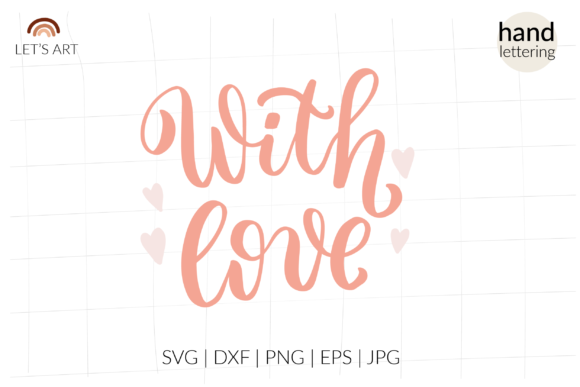
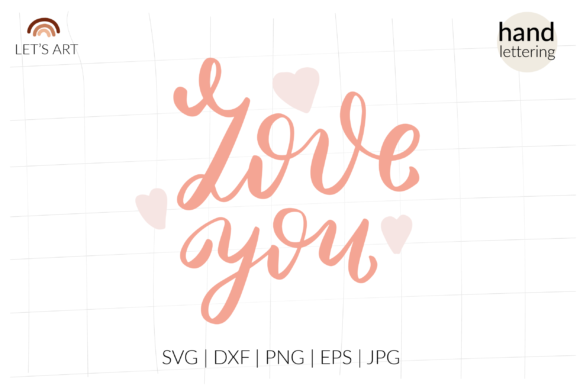
The moment you open the file, the first thing that strikes me is the fluidity of the hand-lettering style. In a market saturated with rigid block letters and overly complex script fonts, this design offers a breath of fresh air. It feels personal, intimate, and warm. The phrase "Love You" is rendered in a way that suggests a handwritten note rather than a stamped label. This visual personality makes it incredibly versatile. It does not scream for attention; instead, it invites the viewer in.
For an embroidery designer, the layout is clean. There are no unnecessary flourishes or tiny decorative elements that might get lost in the stitching process. The curves are smooth, which translates well to satin stitches. When I look at this, I immediately see it on a soft cotton tee or a neutral-colored tote bag. It has a timeless quality that avoids trendy aesthetics, meaning it won’t look dated next year. For small business owners and Etsy sellers, this longevity is crucial. You want designs that remain relevant across multiple seasons, especially when dealing with evergreen themes like love and affection.
Real-World Application: Where This Design Shines
I recently tested the concept of this design on several different substrates to see where it would fit best in a commercial workflow. Here is where Love You Svg, Valentine Svg, Lettering truly excels:
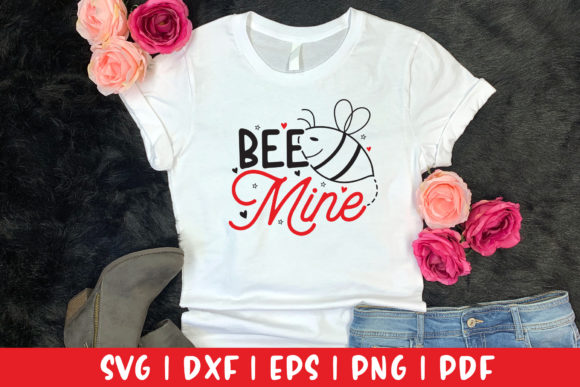
- Custom Apparel and Sweatshirts: This is the most obvious use case. Placed on the left chest of a crewneck sweatshirt, it creates a subtle, boutique-style detail. On the back of a hoodie, it becomes a statement piece. The lettering scale works perfectly for standard 4x4 or 5x7 hoops without feeling cramped.
- Tote Bag Design: Canvas totes are a staple for craft fairs and online shops. Because the design relies on strong lines rather than intricate shading, it stands out beautifully against textured fabric. It adds value to a simple canvas bag, turning it into a personalized gift.
- Baby Embroidery and Nursery Decor: The gentle nature of the script makes it ideal for baby onesies, burp cloths, or nursery wall hangings. Parents are drawn to items that feel soft and loving, and this design delivers that emotional connection instantly.
- Kitchen Towels and Aprons: For the home decor niche, this design fits seamlessly into a kitchen setting. Imagine it stitched onto a linen tea towel or a denim apron. It adds a touch of warmth to functional items, making them perfect for housewarming gifts or holiday presents.
- Embroidered Patches: If you add a border, this design can easily be converted into an iron-on patch. The clear lettering ensures that even when scaled down, the message remains legible.
From a branding perspective, using this design helps establish a consistent aesthetic for handmade products. It signals to the buyer that care was taken in the selection of the motif. When customers see professional-grade lettering on their custom apparel, they perceive higher value in the finished product, which can justify premium pricing in your shop.
Technical Considerations and Stitch Quality
While the visual appeal is high, we must talk about execution. This is a vector-based graphic provided in formats like SVG, DXF, EPS, PNG, and JPG. However, as any seasoned embroiderer knows, a vector file is only as good as its digitization. Since this is described as a hand-lettering quote, the success of the project depends heavily on how the curves are converted into stitch paths.
If you are converting this yourself, pay close attention to the satin stitch settings. Hand-lettering often requires tight turns. If the stitch density is too high, the fabric will pucker. If it is too low, the coverage will look thin and cheap. I recommend testing the design on scrap fabric first to check the thread color contrast. Light threads on dark fabric or vice versa can drastically change the readability of the script. Also, inspect the small details—specifically the serifs and connecting lines between letters. These are the areas most prone to breaking or tangling during the embroidery process.
Where to Use It Carefully
No design is universal, and there are specific scenarios where Love You Svg, Valentine Svg, Lettering might struggle. I advise caution in the following situations:
- Small Hoop Sizes: If you are working with a very small hoop (under 3 inches), the spacing between the words "Love" and "You" might become compressed. Ensure the design scales proportionally so the text does not merge into an illegible blob.
- Textured and Stretchy Fabrics: While it looks great on flat cotton, stretchy knits or heavily textured fabrics like bouclé wool can distort the smooth lines of the lettering. Always use a proper stabilizer to prevent shifting and distortion.
- Curved Surfaces: Attempting to stitch this directly onto a curved surface like a baseball cap can be challenging. The lettering may appear warped if the hooping technique is not precise. For caps, consider placing it on a flat brim or a structured front panel.
- Dense Stitch Areas: If you plan to add heavy fill stitches around the lettering, be mindful of the total stitch count. Excessive density can make the garment stiff and uncomfortable to wear.
Practical Designer Notes for Success
To ensure your embroidery project results in a professional-looking finished product, follow these practical steps before committing to production:
- Test on Scrap Fabric: Never run a full production batch without a test run. Check for thread breaks, tension issues, and color accuracy.
- Review Stitch Density: Adjust the density settings in your digitizing software to match the fabric type. Thicker fabrics require lighter density to avoid puckering.
- Check Licensing: Before selling commercial embroidery items or digital embroidery files, confirm the licensing terms. Some graphics allow personal use only, while others permit commercial sales of physical goods. Clarify this to protect your craft business.
- Use Proper Stabilizer: The right stabilizer is invisible but essential. It provides the support needed for clean lettering, especially on delicate fabrics.
- Create Printable Mockups: Before investing time in stitching, create a printable mockup to visualize how the design looks on different colored garments. This helps in marketing your Etsy listings and attracting buyers.
Final Verdict
In conclusion, Love You Svg, Valentine Svg, Lettering is a solid choice for designers looking to add a touch of elegance and warmth to their portfolio. Its clean lines and emotional resonance make it suitable for a wide range of applications, from personalized gifts to small shop products. By understanding its strengths and limitations, you can leverage this design to create high-quality, desirable items that resonate with customers. Whether you are an Etsy seller, a maker, or a creative entrepreneur, this asset offers good value for its versatility and timeless appeal.