MY HEART BELONG to YOU Embroidery Review
As a designer who spends more time than I care to admit staring at stitch paths and debating thread color palettes, I approach every new embroidery file with a mix of optimism and skepticism. The market is saturated with generic quote designs, so finding something that balances aesthetic charm with technical viability for real-world production is rare. Today, I am evaluating the design titled "MY HEART BELONG to YOU." This piece falls under the categories of Crafts and Graphics, offering vector SVG and transparent PNG assets that promise versatility across various mediums. But does it hold up when transferred to fabric? Can it survive the rigors of commercial production? Let’s dive into the practical realities of using this design in your next project.
First Impressions: Mood and Visual Personality
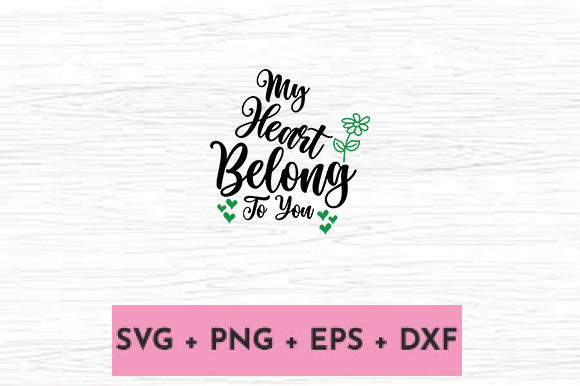
The immediate visual impact of "MY HEART BELONG to YOU" is one of understated romance. It avoids the cliché of bright red hearts and overly ornate script fonts that plague many Valentine’s Day collections. Instead, it offers a clean, modern aesthetic that feels appropriate for contemporary branding. The layout suggests a balanced composition, likely centered or slightly asymmetrical, which gives it flexibility for different product placements. For an embroidery project, this kind of clarity is crucial. When you are translating a digital graphic into physical thread, every pixel counts. The design’s personality leans towards boutique elegance rather than loud novelty, making it suitable for customers who appreciate subtle craftsmanship over flashy statements.
This mood translates well into high-end handmade products. It doesn’t scream for attention; instead, it invites the viewer to look closer. This is exactly the kind of nuance that builds brand consistency for small business owners looking to establish a reputation for quality. Whether used on a delicate nursery item or a sturdy everyday accessory, the design carries a sense of intentionality that resonates with buyers seeking personalized gifts.
Real-World Application: From Screen to Stitch
To truly understand the value of this design, we need to look at how it performs in specific scenarios. Imagine preparing a custom embroidered tote bag for a local craft fair. You want something that stands out but also appeals to a broad audience. Placing "MY HEART BELONG to YOU" on a canvas tote allows the design to breathe. The negative space around the text can be utilized effectively, creating a sophisticated look that pairs well with natural fiber threads like cotton or rayon. This isn't just a tote bag design; it's a statement of lifestyle that fits seamlessly into a curated shop collection.
Consider another scenario: creating personalized sweatshirts for a winter holiday gift line. While the phrase has romantic undertones, its clean typography makes it versatile enough for general gifting. On a heavyweight cotton sweatshirt, the design would benefit from a dense fill stitch if the heart element is prominent, providing texture and durability. However, if the design relies heavily on thin lines, you must ensure the thread weight matches the fabric density to prevent puckering. This adaptability is key for small shop product creators who need designs that can pivot between seasons—using the same asset for Valentine’s Day, anniversaries, or even as a general love-themed gift.
For Etsy sellers dealing in digital downloads, the availability of vector SVG files is a significant advantage. These assets allow customers to scale the design for various applications, from small patches to large wall hangings. The inclusion of PNG files with transparent backgrounds further enhances usability, allowing for easy mockup creation. A well-executed printable mockup showcasing this design on a ceramic mug or a greeting card can significantly boost buyer engagement, giving potential customers a clear vision of the final result before they purchase.
Technical Considerations and Potential Pitfalls
While the aesthetic appeal is strong, no design is without its challenges. One area requiring careful attention is the application on textured or stretchy fabrics. If you plan to use this on a knit cap or a jersey t-shirt, the stability of the stitching becomes paramount. Without proper stabilization, even a simple text design can distort, leading to a finished product that looks unprofessional. Always test the design on scrap fabric first to assess how the stitch density interacts with the material’s grain.
Another critical factor is hoop size and detail resolution. If the design includes intricate lettering or tiny decorative accents, ensure that the chosen hoop size provides enough clearance for the machine to navigate smoothly. Small details can get lost if the stitch length is too long or if the thread tension is not calibrated correctly. For instance, if the design features fine satin stitches along the edges of the heart, verify that the needle size is appropriate to avoid breaking the thread or damaging the fabric. This is especially important for embroidered patch applications where durability is essential.
Fabric color also plays a pivotal role in visual appeal. On dark fabrics, light-colored threads may require multiple passes to achieve full coverage, increasing the risk of thread breaks and extending production time. Conversely, on light fabrics, dark threads might show the underlying fabric weave if the stitch density is insufficient. Testing in black and white mockups can help predict contrast issues before you commit to expensive thread colors. Additionally, consider the end-user experience: products that undergo frequent washing, such as aprons or kitchen towels, need robust stitching techniques to maintain their appearance over time.
Practical Designer Notes for Success
- Stabilizer Selection: Match the stabilizer to the fabric weight. Use cut-away stabilizers for stretchy materials to prevent distortion during wear and wash cycles.
- Thread Contrast: Ensure sufficient contrast between the thread and fabric. Low-contrast combinations can make the design appear muddy or indistinct.
- Density Checks: Review the stitch density settings in your embroidery software. Adjustments may be needed to prevent fabric pucker or thread buildup.
- Licensing Verification: Before selling finished items or distributing digital assets, confirm the licensing terms. Commercial use rights vary, and compliance is essential for protecting your business.
- Mockup Testing: Create realistic mockups on various products, including baby clothes, pillow covers, and tea towels, to visualize the design’s versatility.
Final Verdict: Value and Professionalism
"MY HEART BELONG to YOU" succeeds because it prioritizes clarity and emotional resonance over complexity. It is a reliable asset for designers looking to add a touch of warmth to their collections without compromising on technical integrity. Its suitability spans a wide range of applications, from intimate personal gifts to broader commercial merchandise. By understanding its strengths and limitations, you can leverage this design to create products that not only look beautiful but also stand up to real-world use.
For the discerning maker, the true value lies in the execution. A great design is only as good as the stitching behind it. Take the time to perfect your setup, choose high-quality threads, and pay attention to the finishing touches. When done right, this design can elevate a simple piece of fabric into a cherished keepsake. Whether you are an experienced embroiderer or a hobbyist exploring machine embroidery design for the first time, "MY HEART BELONG to YOU" offers a solid foundation for creating meaningful, professional-grade work. Embrace the process, trust your instincts, and let your creativity guide you in bringing this heartfelt concept to life.